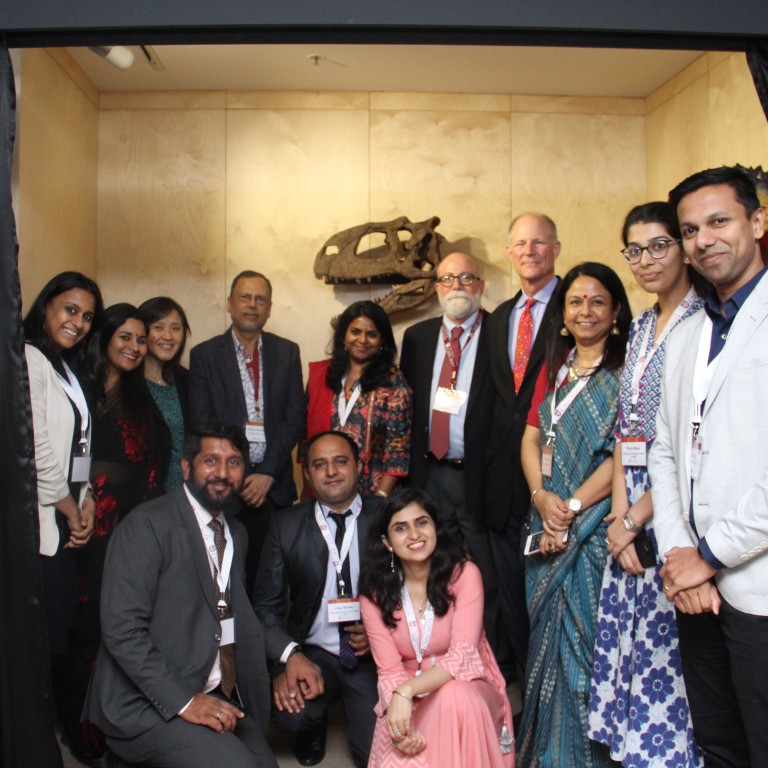
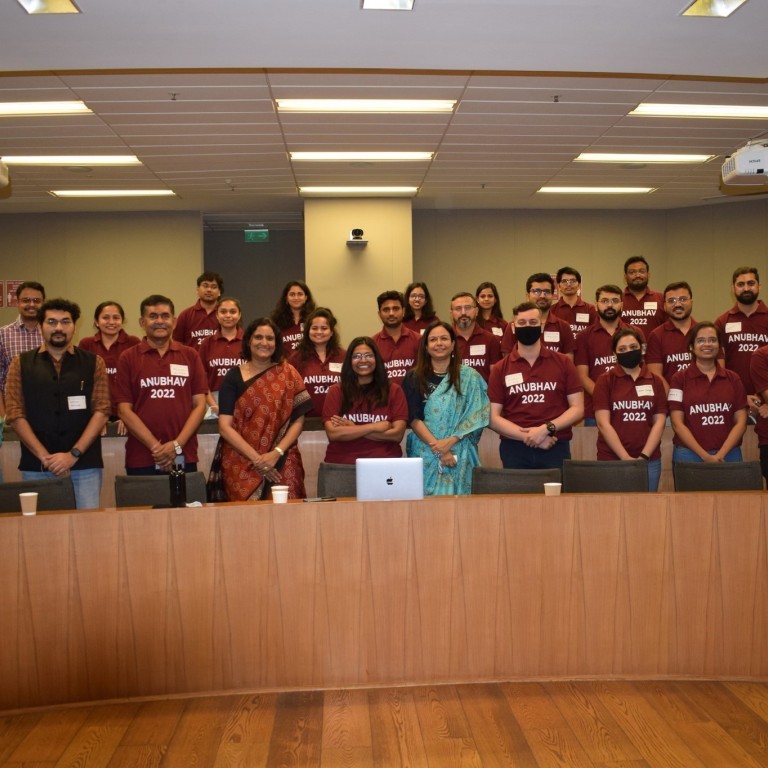
As Environmental, Social, and Governance (ESG) moves from the margins to the mainstream of global business, the career opportunities it creates are becoming increasingly difficult to ignore. On Friday, 4 July, the UChicago Center in Delhi welcomed Dr Inderjeet Singh, Partner – Climate Change & Sustainability Strategy at Deloitte India, for a conversation with our India Summer Fellows 2026 on what a career in ESG consulting actually looks like.
Breaking Down the ESG Landscape
Dr Singh opened by mapping the ESG space into four distinct areas of professional practice — a framework that gave fellows a concrete way to think about where they might fit in.
The first is due diligence, particularly in the context of transactions and investments. ESG due diligence has evolved significantly over the past decade, moving well beyond environmental checklists to encompass social and governance dimensions. Private equity firms, banks, and consulting firms are all building capacity in this area, with equity investments requiring especially thorough assessments given their higher risk exposure.
The second area is regulatory compliance. As governments around the world introduce ESG-related disclosure requirements, companies operating across geographies must navigate an increasingly complex web of standards. The European Union remains the frontrunner in both regulation and innovation, with mechanisms like the Carbon Border Adjustment Mechanism (CBAM) effectively turning environmental standards into trade policy — with direct implications for exporters in countries like India.
Third is the growing field of digital platforms for environmental data collection and reporting. As companies move beyond voluntary disclosures toward mandatory, auditable reporting, the infrastructure to support that shift is becoming a significant area of investment and opportunity.
Finally, Dr Singh discussed ESG ranking and rating — the role that credit agencies and proxy advisors play in shaping how companies are evaluated by investors and governed by boards.
Geography Matters
One of the session's most practically useful insights was Singh's emphasis on how ESG priorities vary by region. What constitutes a material social issue in India — such as pay parity or supply chain labour standards — may differ considerably from the priorities of regulators or investors in the United States or Europe. For professionals hoping to work across borders, understanding these nuances is as important as understanding the frameworks themselves.
Dr Singh also walked fellows through how large multinationals are embedding ESG requirements into their supply chains — with companies like BMW requiring renewable energy use from component suppliers, and Honda tracking emissions and water consumption at the level of individual vehicle identification numbers.
A Field Still Taking Shape
Perhaps most encouragingly for the fellows in the room, Dr Singh described ESG consulting as a field that is still being defined. Professionals are moving fluidly between consulting firms, corporate sustainability roles, government, and startups — and the skills built in one context transfer readily to others.
For a cohort of fellows at the beginning of their careers, the message was clear: the window to enter this space, and to help shape it, is open.