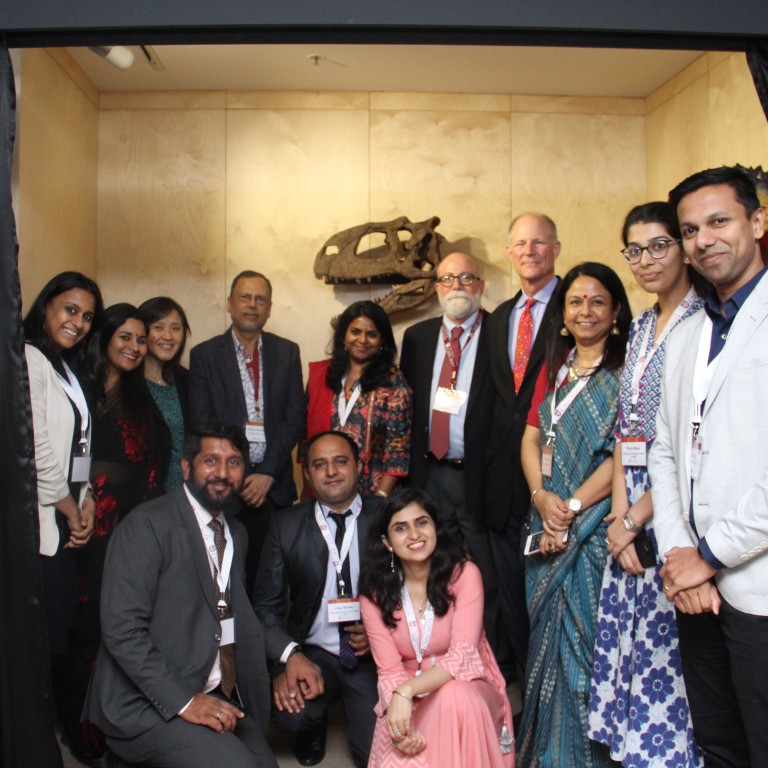
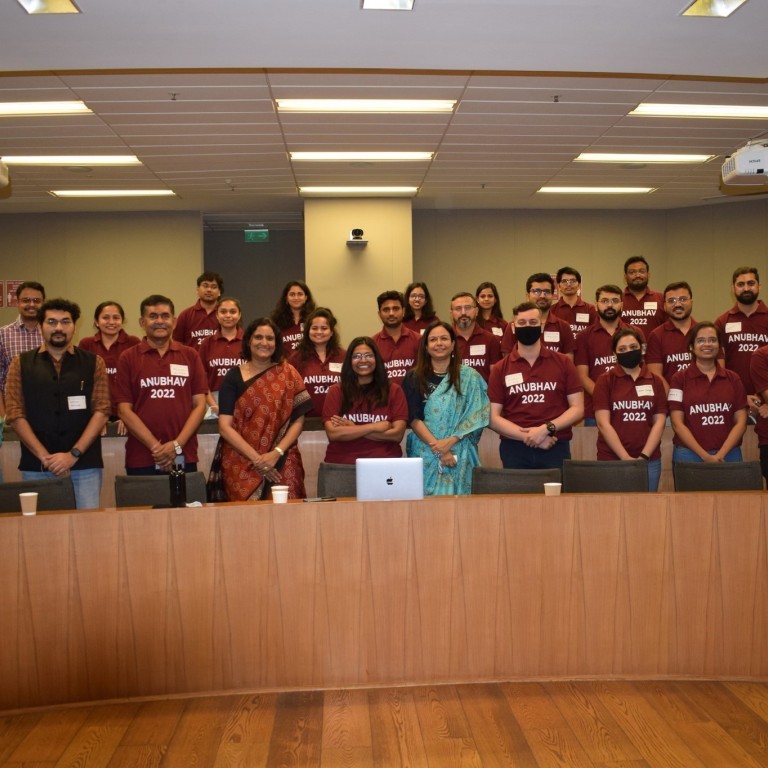
Global energy policy is moving fast — and the forces driving it are no longer straightforward. On Friday, 4 July, the UChicago Center in Delhi brought together Andrew Light, Distinguished Fellow and former Assistant Secretary of Energy for International Affairs at the U.S. Department of Energy, and Kaushik Deb, Executive Director of EPIC India, for a wide-ranging conversation with our India Summer Fellows 2026.
The Evolving US Energy Position
Light offered fellows a nuanced view of where US energy policy currently stands, drawing on his experience as a former senior official at the U.S. Department of Energy. The present administration's "energy dominance" approach prioritises expanding US LNG exports and oil production, positioning American energy as a competitive force in international markets — particularly in regions previously supplied by Russian pipeline gas and Australian LNG.
At the same time, Light noted, many clean energy provisions from the Inflation Reduction Act remain in effect, and the US continues to participate in select international frameworks, including the CORSIA programme for aviation emissions. The picture, he suggested, is one of complexity rather than simple reversal — with subnational actors like California continuing to drive significant clean energy investment.
The Transition Continues
Despite shifting policy winds, Light was unequivocal on one point: the global clean energy transition is not reversing. Since 2018, clean energy markets have grown from $180 billion to $1.2 trillion. Countries are investing in clean energy because it makes strategic sense, not only because of international agreements.
Moreover, China's dominant position in clean energy manufacturing presents both a challenge and an opportunity for others. Its overcapacity has driven down prices globally, creating difficult market conditions, but also opening space for countries like India and those in Southeast Asia to develop competitive positions of their own.
India's Moment
The conversation turned particularly generative when it reached India's role in the transition. Light argued that India is, in several respects, well positioned to lead the next phase of global clean energy development. Building largely from a low base, India has the opportunity to leapfrog older infrastructure and adopt emerging technologies — from electrolyzers to small modular reactors — without the constraints of legacy systems.
India's energy transition also benefits from something rare in global politics: near-universal domestic support across the political spectrum. Initiatives like the International Solar Alliance, established in 2015, have positioned India as an independent voice in global climate diplomacy.
Finally, Deb highlighted domestic innovations as further cause for optimism, pointing to India's emissions trading pilot in Surat — launched in 2019 and now drawing interest from across the Global South — as an example of homegrown climate solutions with global relevance.