The UChicago Center in Delhi recently hosted a three-day workshop on Machine Learning, Enhanced Sampling, and Dynamical Surrogate Models for Glassy and Adaptable Materials, bringing together leading researchers, scholars, and students to explore the intersection of machine learning and material science. Supported by the Provost’s Global Faculty Awards India-South Asia 2025–2026, the workshop created a vibrant space for academic exchange and interdisciplinary learning.
The workshop commenced with a welcome address by Aniruddha Bhaduri (Director - Programs and Operations, UChicago Center in Delhi), followed by opening remarks from key organisers Srikant Sastry and Andrew Ferguson. Day 1 set the tone with insightful research presentations focusing on disordered systems, enhanced sampling techniques, and the application of machine learning in understanding complex material behaviours. The sessions highlighted the growing importance of computational approaches in studying glassy and adaptable systems.
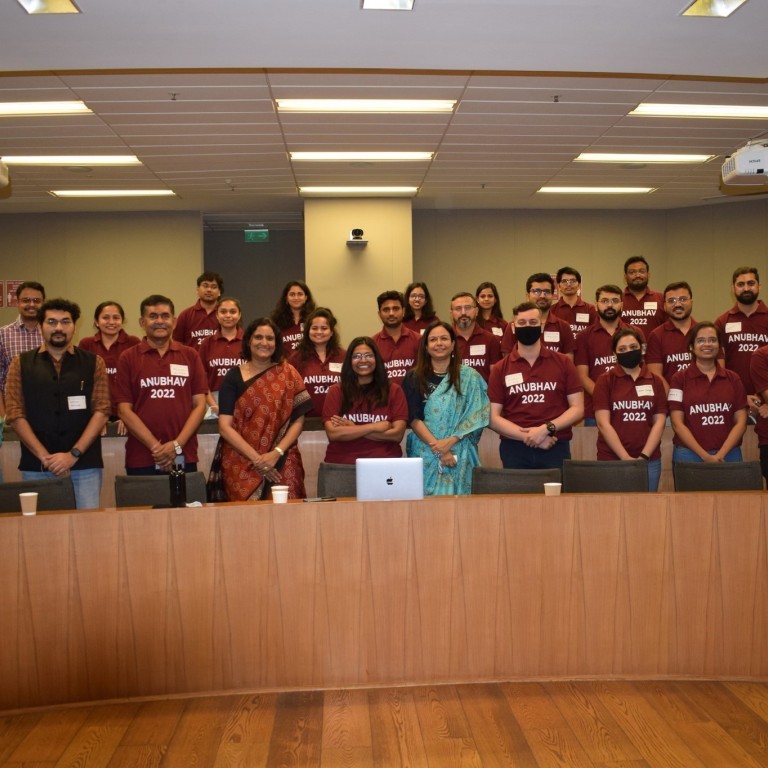
Building on this foundation, Day 2 expanded the discussion to include advanced applications such as predicting fatigue failure in glasses, designing adaptable materials, and leveraging generative AI for trajectory synthesis. Speakers also explored enhanced sampling for far-from-equilibrium systems and introduced innovative approaches to understanding particle dynamics. A key highlight of the workshop was the active participation of student scholars from premier institutions such as IITs and IISc, who presented their research through posters and discussions. Their contributions added depth and fresh perspectives, fostering meaningful dialogue between emerging and established researchers.
Day 3 continued with engaging sessions that delved into graph reinforcement learning, free energy landscapes, and the use of machine learning in molecular simulations and soft matter systems. Discussions also bridged theoretical and experimental perspectives, offering a comprehensive understanding of how machine learning can transform research in material science. The diversity of topics and approaches reflected the dynamic and evolving nature of the field.
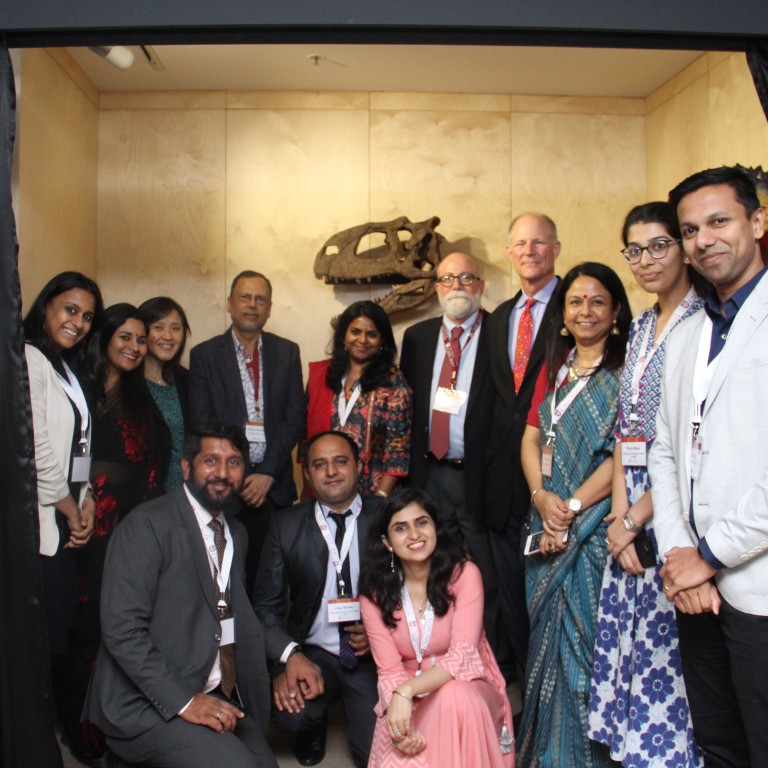
Beyond formal sessions, the workshop fostered meaningful discussions and collaborations. Participants engaged in thoughtful exchanges, gaining new insights and perspectives on emerging research areas. Informal interactions further strengthened academic networks and encouraged future collaborations. The workshop concluded with closing remarks, marking the end of an enriching academic experience and collaborative learning journey. It stood as a testament to the Center’s commitment to advancing research, fostering collaboration, and creating platforms for innovative and interdisciplinary thinking.
The presence of diverse disciplinary approaches ensured that the conversations remained dynamic and inclusive, enabling participants to situate their work within broader scientific and technological contexts. By integrating machine learning with complex material systems, the workshop highlighted the future trajectory of research that is increasingly data-driven and collaborative. Such initiatives play a crucial role in shaping the next generation of researchers and strengthening global academic linkages. The exchange of ideas and critical engagement throughout the workshop underscored its lasting academic impact and relevance.